Damp and Mould: What Landlords Need to Document
Damp and mould are no longer issues landlords can afford to treat casually. They affect health, comfort, compliance and trust. They can also become serious evidence problems if there is a dispute about repairs, ventilation or property condition.
This blog explains what landlords should document, how to keep records properly and why inspections and inventories are central to protecting both tenants and property owners.
Why damp and mould matter more now
Housing standards are tightening, and Awaab’s Law has pushed damp and mould higher up the agenda. GOV.UK’s guide to the Renters’ Rights Act states that Awaab’s Law will be extended to privately rented homes, requiring landlords to act quickly when homes are unsafe.
What landlords should record
- First report date: when the tenant first raised the issue.
- Location: room, wall, ceiling, window area or cupboard affected.
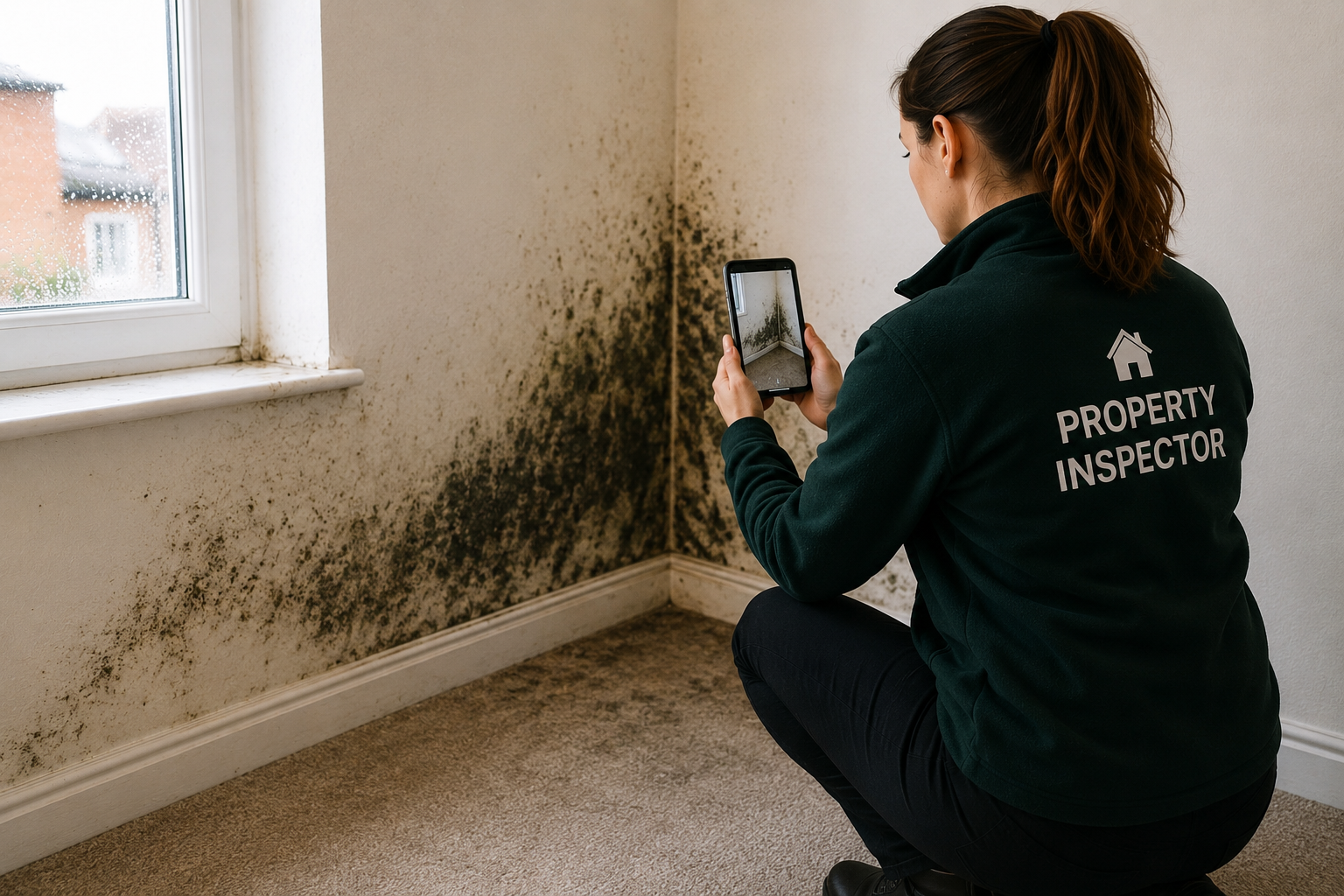
- Photos: clear, dated images showing size, spread and context.
- Possible causes: leak, cold bridging, ventilation, blocked extractor, gutter issue or condensation.
- Action taken: contractor visit, advice given, repairs completed, follow-up inspection.
- Communication: emails, messages and tenant updates.
Why photos need context
A close-up of mould is useful, but context is better. Photos should show the whole room, the affected wall, window positions, ventilation points and any nearby leaks or staining. This helps distinguish symptoms from causes.
Do not rely on memory
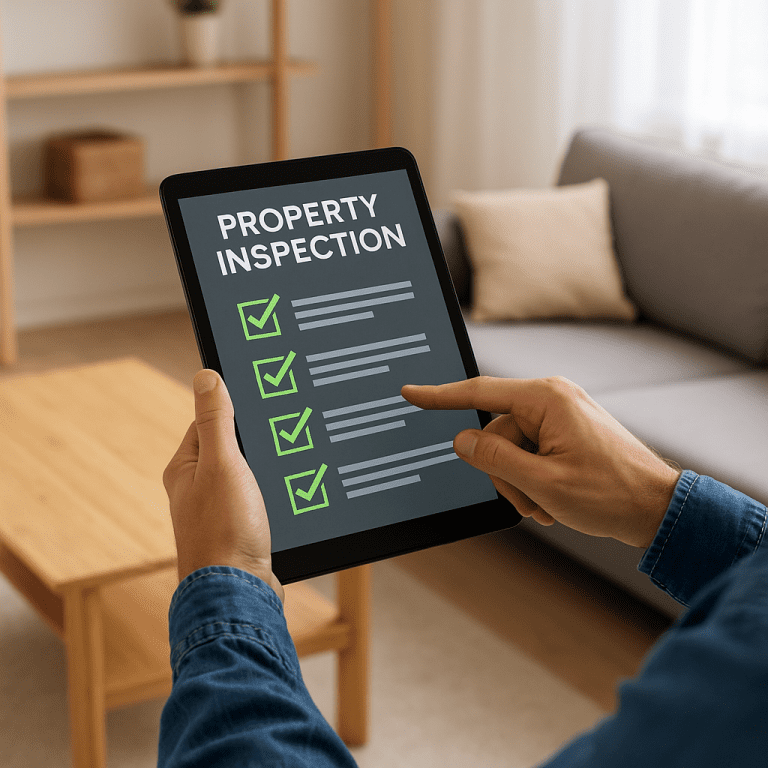
Months later, it is easy to forget when the patch first appeared, whether a repair was booked or whether the tenant was advised about ventilation. A written, dated inspection report removes guesswork.
How inventories help
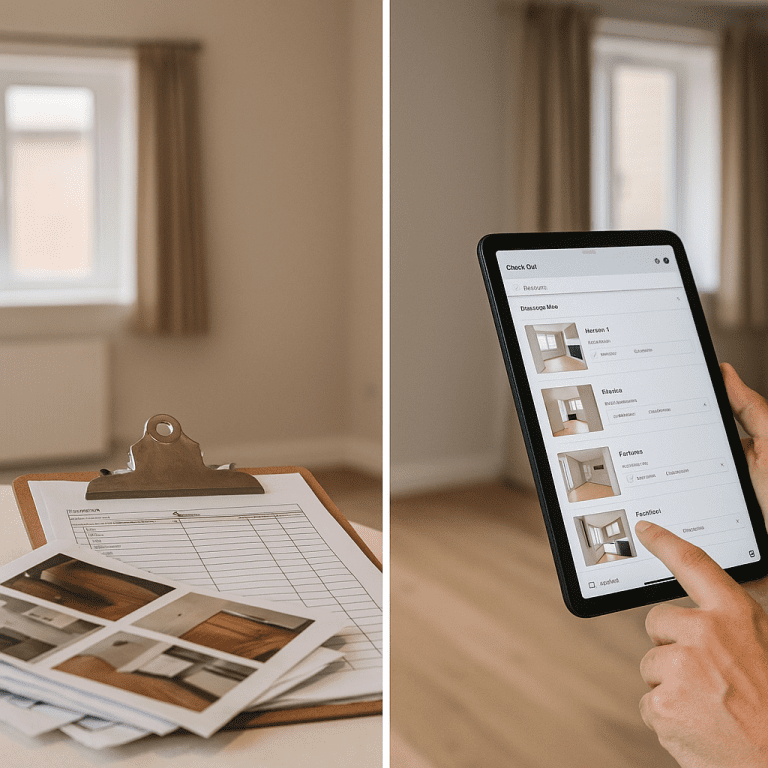
A professional inventory report records whether damp, staining or ventilation issues were visible at move-in. That matters later. If a problem appears mid-tenancy, you have a baseline to compare against.
When to book a follow-up inspection
- After leak repairs
- After cleaning or mould treatment
- When extractor fans or heating controls are replaced
- Where tenants report recurring issues
- Before check-out if damp/mould has been a tenancy issue
Final word
Damp and mould documentation is about safety first, but it also protects landlords from confusion and blame. Clear records show you took the matter seriously, acted promptly and kept the property under review.
Need clear records for damp and mould issues?
Our inspection reports help document property condition, repairs and follow-up evidence clearly.
Similar Posts
The Decent Homes Standard Explained for Private Landlords
3 min read Inventory Services The Decent Homes Standard Explained for Private Landlords The government’s new Decent Homes Standard is coming to the private rented sector for the first time — and that means landlords will soon face tighter expectations about the condition of their properties. If you’re letting homes in England, understanding what this…
Independent vs In-House Inventories: Which Offers Better Protection?
3 min read Inventory Services Independent vs In-House Inventories: Which Offers Better Protection? Landlords and agents want fewer disputes, faster turnarounds and watertight evidence. Here’s a straight-talking guide to when in-house works—and when independent pays for itself. “When a deposit dispute lands, neutrality and photographic detail matter more than anything.” Choosing between in-house and independent…
- End of Tenancy Cleaning | EPC’S (Energy Performance Certificate) | Floor Plans | Inventory Services | Landlords
The Landlord’s Guide to Preparing a Property for Letting
3 min read End of Tenancy Cleaning The Landlord’s Guide to Preparing a Property for Letting Preparing a property for letting isn’t just about putting it on the market — it’s about presenting a clean, compliant, and desirable home that tenants will want to live in. Whether you’re a new landlord or a seasoned investor,…
The Complete Landlord Move-In Checklist for 2026
2 min read Landlords A smooth tenancy starts before the tenant moves in. If the property is clean, compliant, documented and ready, the landlord is in a much stronger position from day one. This move-in checklist gives landlords a plain-English process for preparing a rental property properly in 2026. 1. Check safety and compliance Valid…
How to Prepare for a Check-Out Inspection: A Guide for Tenants
2 min read Inventory Services When your tenancy is coming to an end, the final hurdle is the check-out inspection — a crucial step that determines whether your full deposit will be returned. Preparing thoroughly can save stress, disputes, and deductions. What Is a Check-Out Inspection? A check-out inspection compares the property’s condition at the…
What Evidence Wins a Deposit Dispute?
3 min read Inventory Services If a tenancy deposit dispute happens, the question is rarely “who sounds more convincing?” It is usually much simpler: who has the best evidence? The landlord may be completely right about damage, cleaning or missing items — but without clear proof, the deposit scheme may not award the deduction. This…