Mid-Term Inspections Explained: Are They Worth It?
A mid-term inspection is a property visit carried out during a tenancy, rather than at the beginning or the end. It helps landlords spot small problems before they become expensive, while giving tenants a chance to raise maintenance issues early.
With the private rented sector under greater scrutiny, mid-term inspections are no longer just “nice to have”. They are becoming one of the most practical ways to show that a property is being monitored, maintained and managed responsibly.
What is a mid-term inspection?
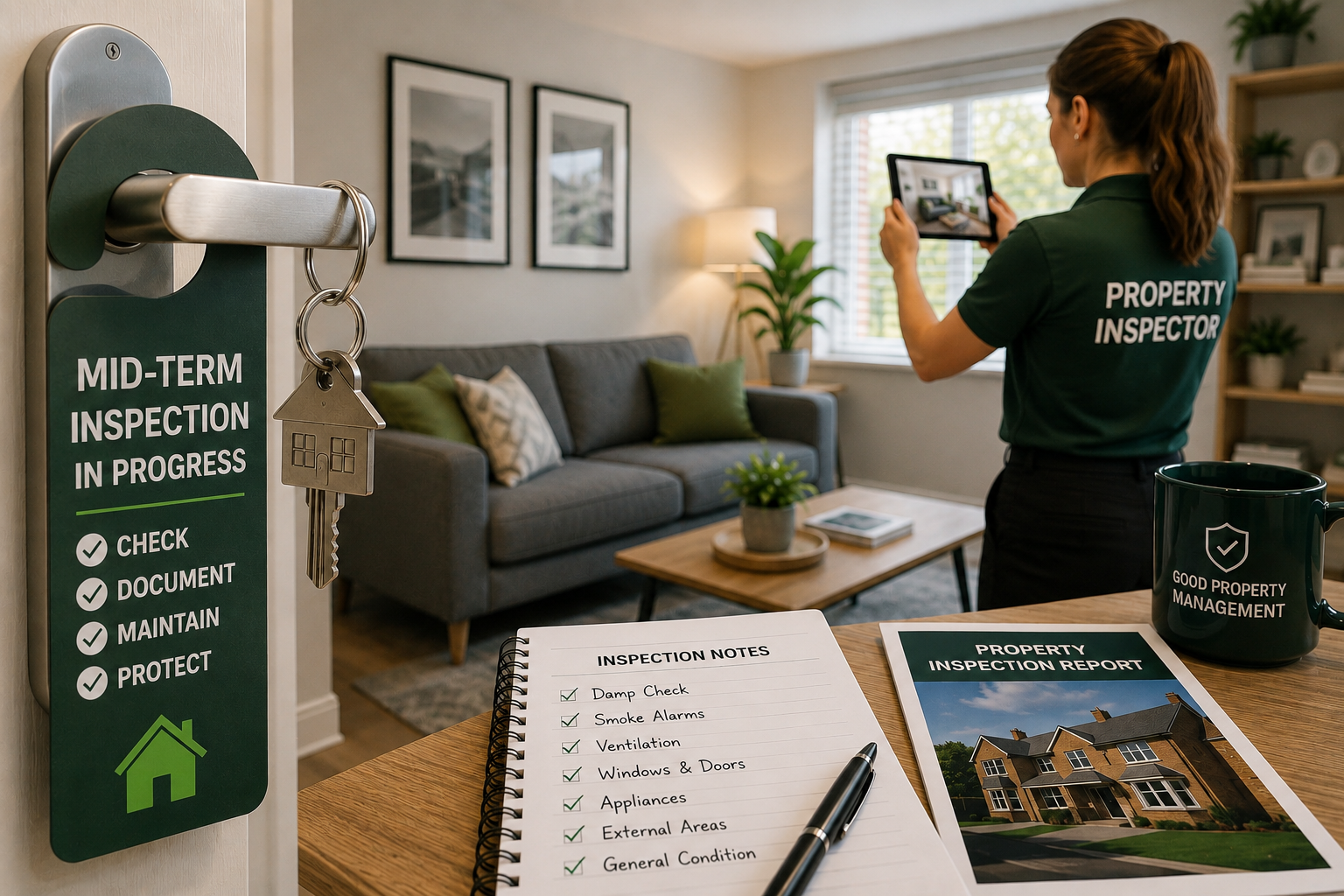
It is a brief but structured condition check. The aim is not to catch tenants out. It is to record the property’s general condition, check for obvious maintenance concerns and confirm that the home is being used in line with the tenancy agreement.
What should be checked?
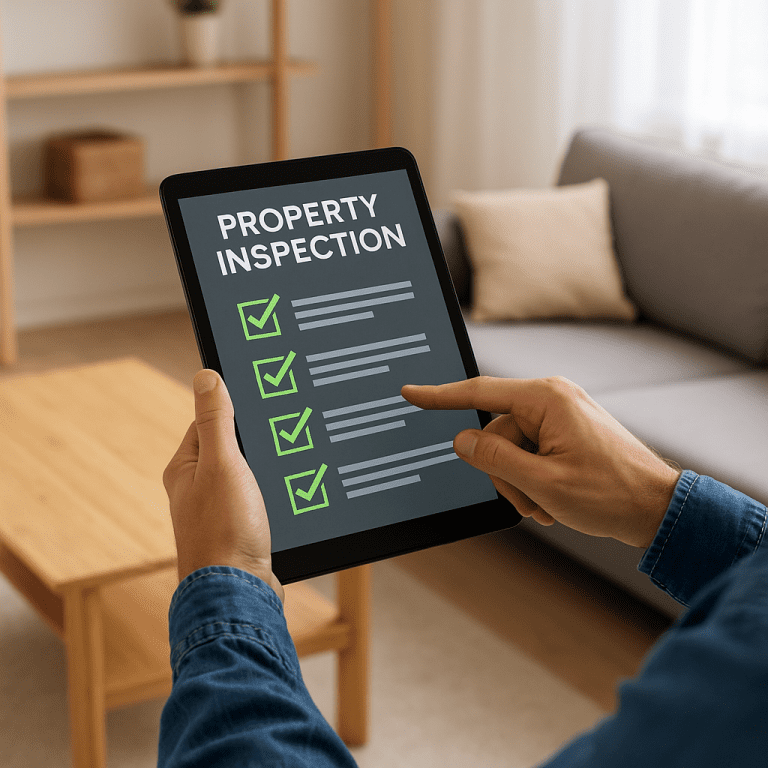
- General cleanliness and ventilation
- Signs of damp, mould or leaks
- Condition of walls, flooring, bathrooms and kitchens
- Smoke alarms and carbon monoxide alarms where relevant
- Gardens, external areas and refuse storage
- Any tenant-reported repair issues
How often should landlords inspect?
There is no single rule that fits every property. Many landlords arrange one inspection within the first few months of a new tenancy, then every six or twelve months depending on property type, tenant history and risk level. Access must always be arranged properly and respectfully, with suitable notice.
Why mid-term inspections reduce disputes
They create a record between check-in and check-out. That matters because a lot can happen during a long tenancy. If a leak, damp patch or cleaning issue appears halfway through, an inspection report helps show when it was first spotted and what action followed.
Why independent inspections help
An independent inspection is less emotive. It gives landlords, agents and tenants a neutral written record, backed by photos where needed. This makes it easier to discuss issues calmly and take action before relationships break down.
Linking inspections to inventories
A mid-term inspection works best when it sits between a professional check-in inventory and a final check-out report. Together, they create a full timeline of condition: start, middle and end.
When they are especially worthwhile
- Longer tenancies
- HMOs or high-occupancy homes
- Older properties more prone to damp or leaks
- Properties with gardens or shared areas
- Where landlords live far from the property
Final word
Mid-term inspections are not about mistrust. They are about prevention. Done well, they protect the tenant, the landlord and the property — and they provide the evidence needed if problems later become disputes.
Keep problems small before they become expensive
Book a professional mid-term inspection and keep your property condition records up to date.
Similar Posts
DIY vs. Professional End of Tenancy Cleaning: What’s Worth It?
3 min read Inventory Services DIY vs. Professional End of Tenancy Cleaning: What’s Worth It? As a tenancy draws to a close, both landlords and tenants must ensure the property is returned in a clean and lettable condition. The key question is: should tenants clean the property themselves, or hire professionals? Let’s explore the pros…
Fair Wear and Tear vs. Damage: What Every Landlord Should Know in 2026
3 min read Inventory Services Fair Wear and Tear vs. Damage: What Every Landlord Should Know in 2026 It’s one of the biggest causes of confusion — and disputes — between landlords and tenants: what counts as fair wear and tear, and what counts as damage? With the Renters’ Rights Act now law and deposit…
Inventory Reports: Why They Matter for Landlords and Tenants
2 min read Inventory Services Inventory reports are a vital part of any tenancy, serving as a fair and detailed record of a property’s condition before and after occupation. Whether you’re a landlord protecting your asset or a tenant protecting your deposit, these reports matter more than ever — especially in today’s tech-driven lettings landscape….
Energy Performance Certificates (EPCs): What You Need to Know in 2025
3 min read EPC’S (Energy Performance Certificate) If you’re a landlord, tenant, or letting agent in 2025, understanding Energy Performance Certificates (EPCs) is more important than ever. With regulatory changes on the horizon and rising energy costs, having a compliant, efficient property isn’t just a legal requirement — it’s a smart investment. What Is an…
Preparing for an EPC
3 min read Tenants Preparing for an EPC: Everything Landlords and Homeowners Need to Know Energy Performance Certificates (EPCs) are essential documents that rate the energy efficiency of a property. Whether you’re selling, letting, or refinancing, an EPC is legally required — and your rating can affect property value, rental appeal, and even your legal…
The Decent Homes Standard Explained for Private Landlords
3 min read Inventory Services The Decent Homes Standard Explained for Private Landlords The government’s new Decent Homes Standard is coming to the private rented sector for the first time — and that means landlords will soon face tighter expectations about the condition of their properties. If you’re letting homes in England, understanding what this…