The Decent Homes Standard Explained for Private Landlords
The Decent Homes Standard Explained for Private Landlords
The government’s new Decent Homes Standard is coming to the private rented sector for the first time — and that means landlords will soon face tighter expectations about the condition of their properties. If you’re letting homes in England, understanding what this means (and how to stay compliant) is crucial.
What is the Decent Homes Standard?
Originally introduced for social housing, the Decent Homes Standard consultation for social and privately rented homes sets out minimum requirements for safety, warmth and repair. The Renters’ Rights Act will now extend this to private landlords, meaning every rental property must:
- Be free from serious hazards such as damp, mould, or unsafe electrics.
- Be in a reasonable state of repair — structure, roof, windows and fittings in good order.
- Have modern facilities such as kitchens and bathrooms in working condition.
- Provide adequate heating and insulation to maintain comfort and efficiency.
Local councils will be given greater powers to inspect, enforce and fine landlords who fail to meet these new standards.
When will it apply?
The government aims to roll out the Decent Homes Standard for private landlords from 2026, following new guidance and secondary legislation. Early adoption is wise — the same principles already influence how letting agents, insurers and deposit schemes assess property condition.
What this means for landlords
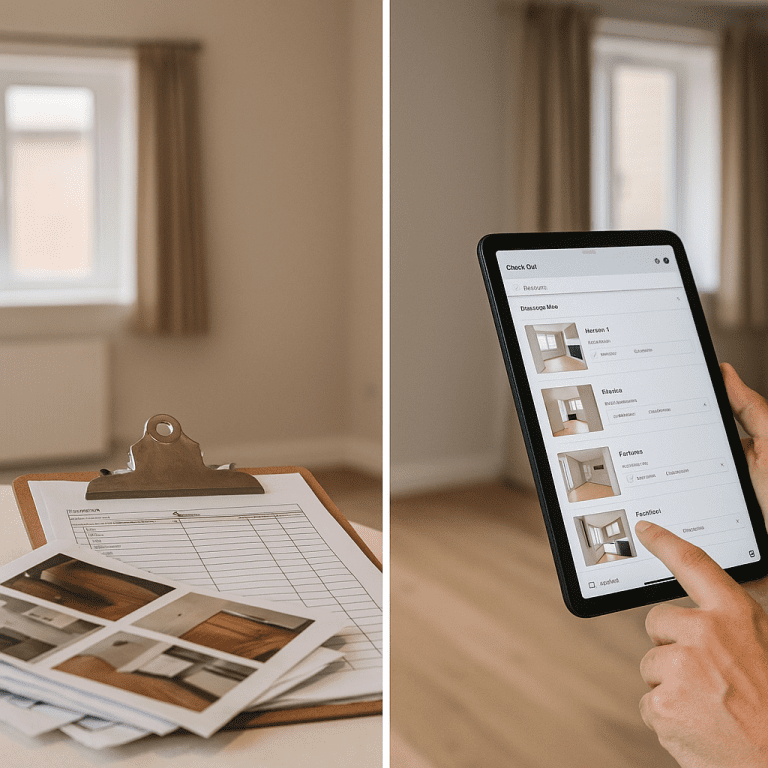
To stay compliant, you’ll need to show that your property meets the standard — and that means keeping clear, dated evidence. Inventory reports, mid-term inspections and professional cleaning records all help to demonstrate you’re maintaining a safe, high-quality home.
- Health and safety first: Regularly check smoke alarms, carbon monoxide detectors, and gas/electrical safety certificates.
- Repair promptly: Fix leaks, damp and broken fittings before they worsen.
- Document everything: A photographic inventory gives proof that hazards didn’t exist at the start of the tenancy.
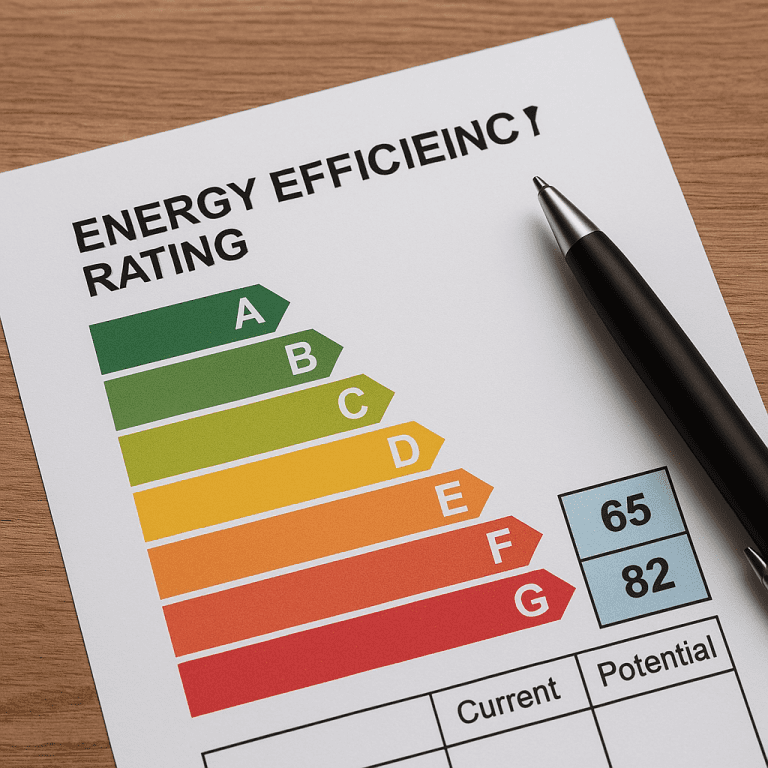
- Review EPCs: Efficiency and warmth are now key to compliance — update your EPC rating if it’s due.
How inventories support compliance
Under the new regime, property documentation will carry more weight than ever. A professional inventory helps you prove compliance at every stage:
- At move-in: Confirms the property was safe, clean, and free from hazards.
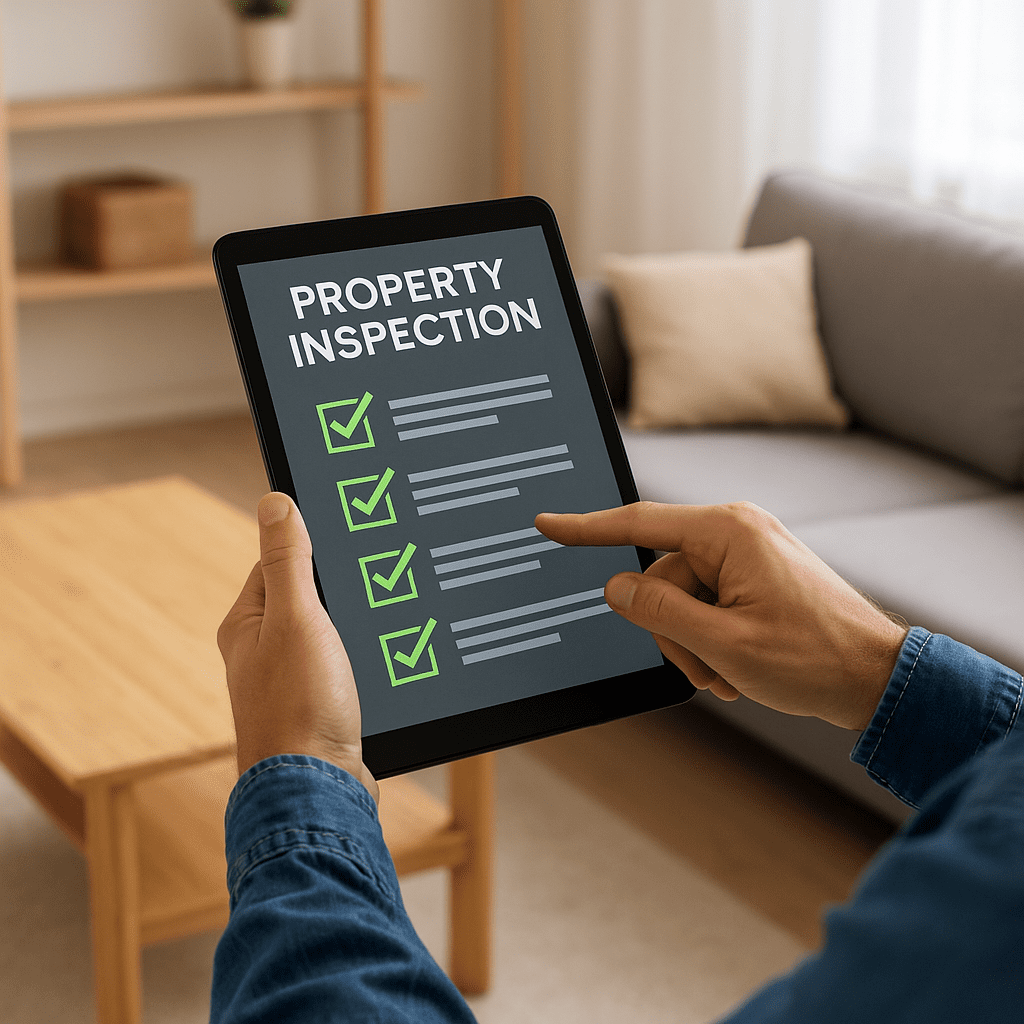
- During tenancy: Mid-term inspections catch issues before they breach the standard.
- At check-out: Shows how the tenant’s use affected condition — protecting your deposit position.
Digital reporting systems like InventoryBase make this process faster, clearer, and securely stored — giving you instant access to photos and history if required by a council or tribunal.
Next steps for landlords
- Book a property condition review before the Decent Homes Standard takes effect.
- Update your EPC and safety certificates.
- Keep all reports in one place, digitally stored.
- Plan maintenance proactively to avoid enforcement notices later.
By acting early, you’ll not only stay compliant but also attract better tenants and reduce long-term costs.
Stay compliant under the Decent Homes Standard
Protect your property and reputation — book a professional inventory or inspection today.
Book Now