The New Renters’ Rights Act Explained – What Landlords Need to Know
The New Renters’ Rights Act: What It Means for Landlords (and Why You Need an Inventory)
The Renters’ Rights Act became law in October 2025 and brings big changes for landlords and letting agents across England. It’s the biggest shake-up of renting laws in years — and if you manage or let a property, it’s time to get prepared.
Here’s a simple breakdown of what’s changing, what it means in practice, and why a proper independent inventory report is now more important than ever.
1. Goodbye to “No-Fault” Evictions
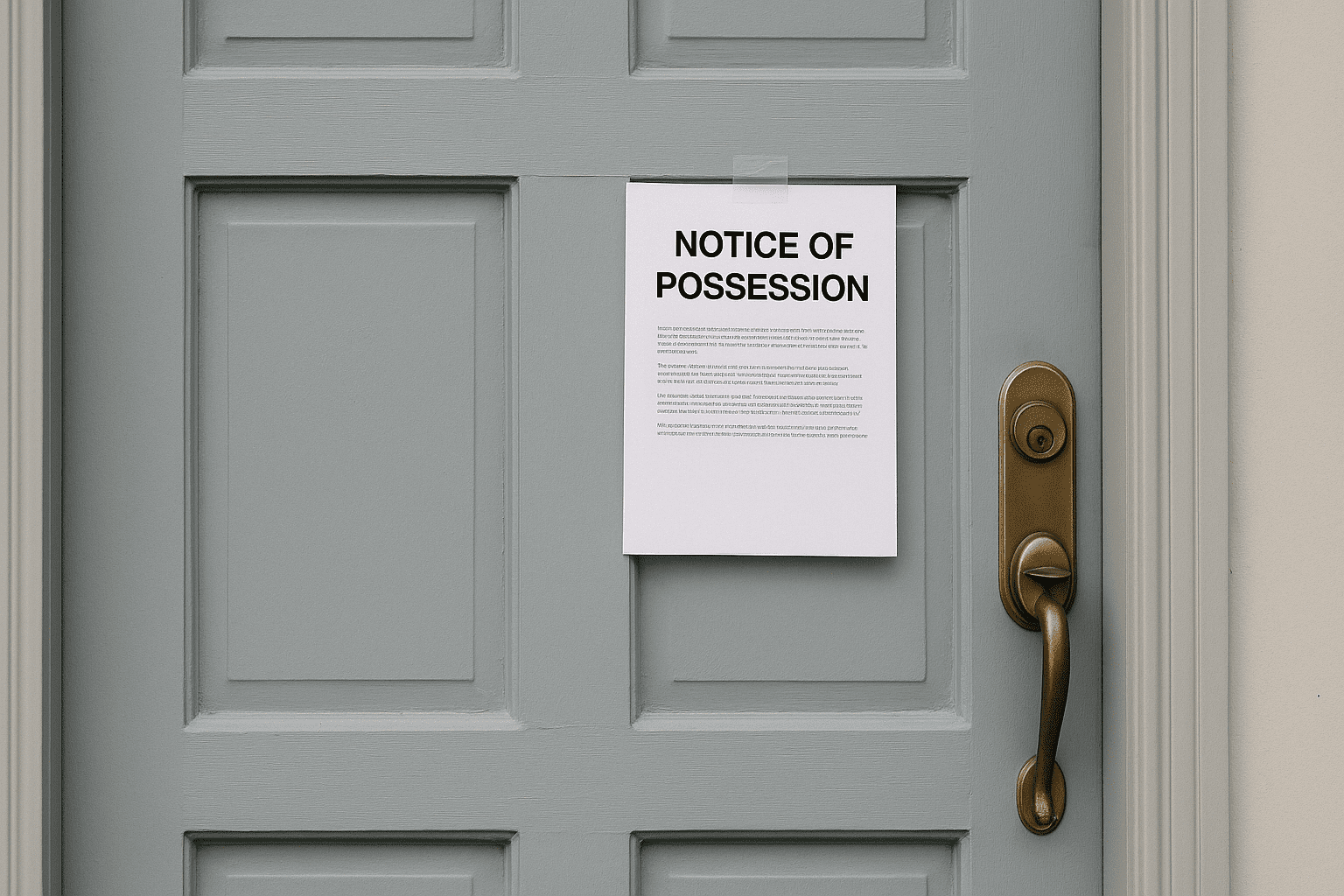
You can no longer ask tenants to leave using Section 21 unless you have a valid reason (like rent arrears or selling your property). This means you’ll need clear evidence of how the tenant has treated your property — especially for damage or cleanliness issues.
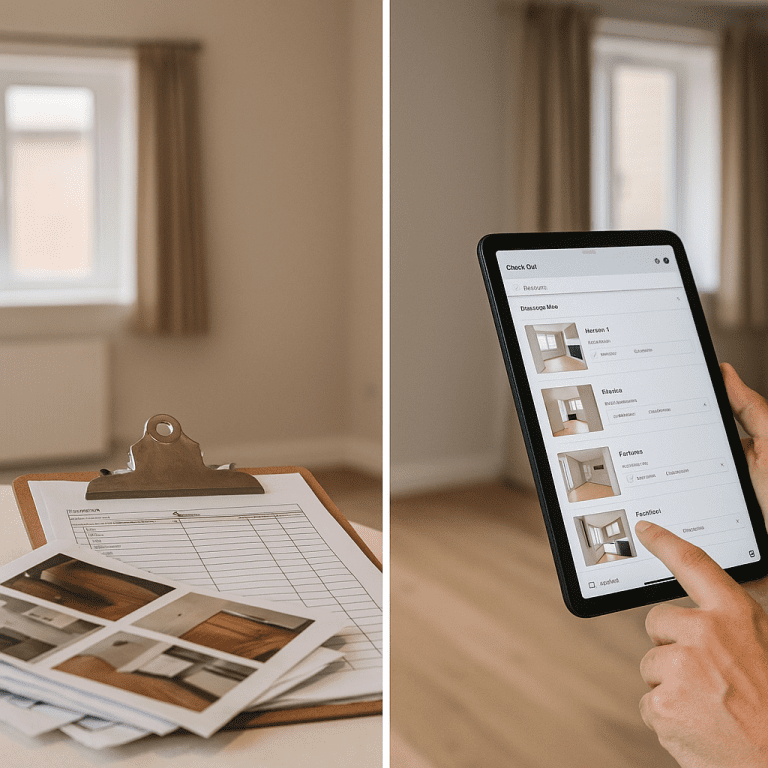
A professional inventory gives you that proof — with dated photos, descriptions, and condition notes that can protect your deposit deductions if things go wrong.
2. All Tenancies Are Now Rolling (No More Fixed Terms)
Under the new law, all tenancies become “periodic” — they roll on monthly instead of having fixed end dates. This means a tenant can give notice at any time after the first few months. Landlords will need to keep properties in good shape and record any changes over time.
Regular mid-term inspections and updated inventory photos can help you stay on top of wear and tear — and avoid disputes when the tenant moves out.
3. Rent Bidding and Big Upfront Payments Are Banned
Agents can’t run bidding wars or demand months of rent in advance. What you advertise is what you rent for — making fairness and transparency key. It also means more scrutiny on how properties are presented and maintained at the start of each tenancy.
4. Minimum Standards Apply to Every Rental
Every property must now meet a new Decent Homes Standard, meaning it must be safe, warm, and in good repair. This includes damp, mould, and safety checks. Good record-keeping is essential if you ever need to prove compliance.
An inventory — especially one supported by dated photos and digital reports — helps show your property met these standards at check-in.
5. Evidence Is Everything
With tenants now enjoying stronger rights, landlords need stronger records. If there’s ever a dispute over damage, cleaning, or deposits, adjudicators will expect detailed, time-stamped evidence — not just a few phone pictures.
That’s where an independent inventory service pays for itself. It protects landlords from unfair claims, saves arguments at check-out, and proves when damage wasn’t “wear and tear”.
What to Do Now
- Book a professional inventory before each new tenancy starts.
- Use independent clerks to ensure reports are neutral and accepted by deposit schemes.
- Take photos at check-in, mid-tenancy and check-out — preferably through a digital system like InventoryBase.
- Agree cleaning standards in writing with tenants at move-in.
- Keep all reports safe and accessible in case of disputes or inspections.
Need help?
At estateServices Inventories, we help landlords, letting agents, and tenants stay compliant and protected. Our reports are digital, photographic, and easy to access — giving you peace of mind and solid evidence for every tenancy.
Ready for peace of mind with every tenancy?
Book a professional inventory today and stay fully compliant under the new Renters’ Rights Act.
Contact Us